

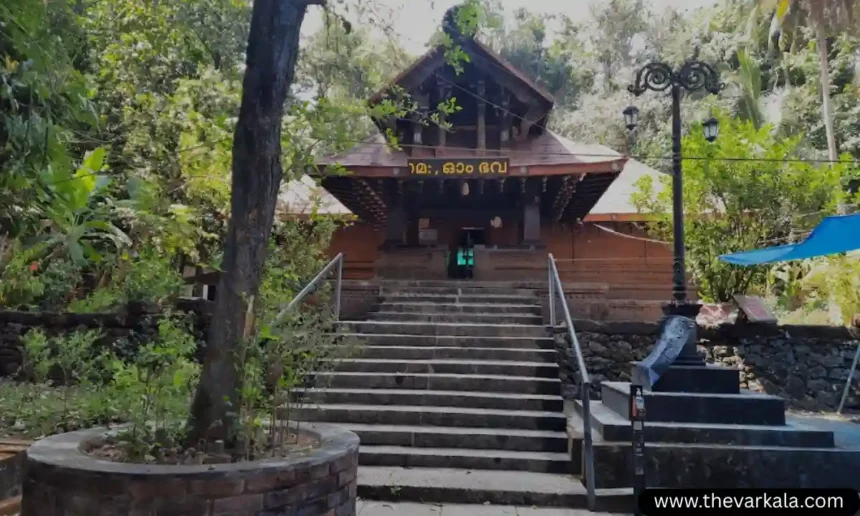
Kottiyoor Temple is one of the most sacred and historically significant Hindu temples in Kerala, India. Located in the Kannur district amidst lush forests and along the banks of the Bavali River, this ancient shrine is dedicated to Lord Shiva. The temple is deeply connected with the legendary Daksha Yaga, a major event in Hindu mythology. Every year, thousands of devotees visit Kottiyoor to seek blessings and participate in its unique rituals. The temple’s serene natural surroundings, spiritual atmosphere, and rich traditions make it a revered pilgrimage destination. Its importance extends beyond religion, as it also represents Kerala’s cultural and historical heritage.
History of Kottiyoor Temple
The history of Kottiyoor Temple has been traced to several centuries ago and is linked with the ancient practices of Hinduism. While the exact date when the temple came into being cannot be ascertained, it is said that it has been there since thousands of years. According to historical accounts and traditions, the temple served as an important center of Shiva worship in ancient Kerala. Eventually, the temple became a place of pilgrimage for Hindus belonging to various parts of South India.
The Mythological Origin of Kottiyoor Temple
The temple is closely linked to the famous story of Daksha Yaga from Hindu mythology. According to legend, Daksha Prajapati organized a grand sacrificial ritual but intentionally did not invite his daughter Sati and her husband, Lord Shiva. Hurt by her father’s disrespect toward Shiva, Sati sacrificed herself in the sacred fire. This tragic event led to one of the most important episodes in Hindu mythology. The story forms the foundation of Kottiyoor Temple’s spiritual significance. Devotees believe that the sacred events of Daksha Yaga took place in this very region.
Lord Shiva and the Daksha Yaga

After learning about Sati’s death, Lord Shiva was overcome with grief and anger. He created the mighty warrior Veerabhadra and ordered him to destroy Daksha’s sacrificial ceremony. Veerabhadra carried out Shiva’s command and beheaded Daksha, bringing the yaga to an abrupt end. The gods later pleaded with Shiva to forgive Daksha and restore peace. Moved by compassion, Shiva revived Daksha by attaching the head of a goat to his body. This powerful story symbolizes the consequences of arrogance and the importance of respect and devotion. It remains central to the religious identity of Kottiyoor Temple.
Meaning Behind the Name Kottiyoor
The name “Kottiyoor” is believed to originate from two Malayalam words that signify gathering and place. According to tradition, this sacred location became the meeting point for gods, sages, celestial beings, and divine powers during the Daksha Yaga. Because of this grand gathering, the area came to be known as Kottiyoor. The name reflects the temple’s deep connection with mythology and spirituality. Even today, pilgrims gather here in large numbers to celebrate ancient traditions. The name itself represents unity, devotion, and divine presence.
Why Kottiyoor Temple Is Famous?
Kottiyoor Temple is famous for its unique combination of mythology, history, and spirituality. Unlike many traditional temples, it is located within a forest environment that enhances its sacred atmosphere. The temple is particularly known for its connection to Lord Shiva and the Daksha Yaga legend. It also attracts visitors because of its annual festival, which preserves centuries-old rituals. Pilgrims come from different parts of India to participate in these ceremonies. The temple’s peaceful surroundings and religious importance make it one of Kerala’s most respected pilgrimage destinations.
Unique Structure of Kottiyoor Temple

One of the most fascinating aspects of Kottiyoor Temple is its unusual structure and layout. Unlike conventional temples with permanent sanctums and towering gateways, part of Kottiyoor’s sacred site remains open to nature. The temple complex consists of two important sections known as Ikkare Kottiyoor and Akkare Kottiyoor. This arrangement reflects ancient Vedic traditions where nature played an important role in worship. The surrounding forests and river are considered sacred elements of the temple. This distinctive setting makes Kottiyoor unlike any other temple in India.
Ikkare Kottiyoor Temple
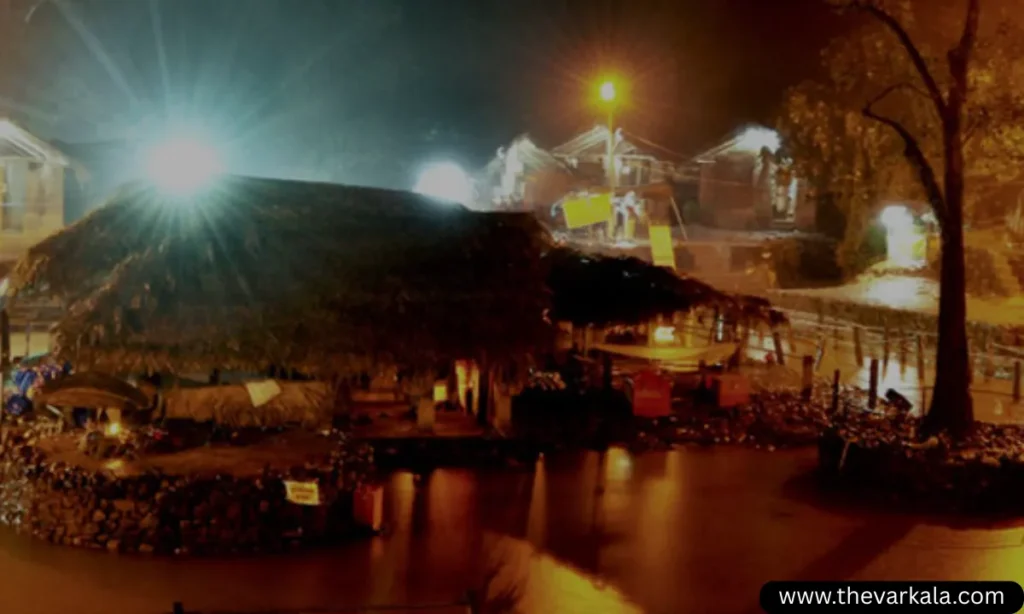
Ikkare Kottiyoor is the permanent temple complex situated on the western bank of the Bavali River. It remains open throughout the year and serves as the main center for daily worship and rituals. Devotees visit this temple regularly to offer prayers and seek blessings from Lord Shiva. The architecture follows traditional Kerala temple styles and reflects the region’s cultural heritage. Religious ceremonies are conducted here according to ancient customs. It serves as the spiritual heart of the Kottiyoor pilgrimage tradition.
Akkare Kottiyoor Temple
Akkare Kottiyoor is considered the actual site where the Daksha Yaga took place according to mythology. Located on the eastern side of the river, it is open only during the annual festival season. Unlike traditional temples, it does not have a permanent structure, emphasizing simplicity and devotion. Worship here takes place in a natural setting surrounded by forests and flowing water. This unique feature preserves the authenticity of ancient Vedic rituals. For devotees, visiting Akkare Kottiyoor is considered a deeply spiritual experience.
Architecture and Natural Beauty
The temple’s architecture is closely integrated with the natural landscape of the region. Traditional Kerala-style structures blend harmoniously with dense forests and riverbanks. The absence of excessive ornamentation gives the temple a peaceful and sacred character. The Bavali River flowing nearby adds to the beauty and spiritual significance of the site. Visitors often admire the serene atmosphere created by the surrounding greenery. The natural setting plays an important role in enhancing the overall pilgrimage experience.
Religious Importance of Kottiyoor Temple
Kottiyoor Temple is regarded as one of the holiest Shiva temples in South India. Many devotees refer to it as “Dakshina Kashi,” meaning the Kashi of the South. The temple symbolizes devotion, sacrifice, forgiveness, and divine justice. Pilgrims believe that worshipping here helps remove negative karma and brings spiritual blessings. The site is also associated with the divine presence of Brahma, Vishnu, and Shiva. This spiritual significance attracts devotees throughout the year.
Kottiyoor Vysakha Mahotsavam
The Kottiyoor Vysakha Mahotsavam is the temple’s most important annual festival. Celebrated over several weeks, the festival attracts thousands of pilgrims from Kerala and neighboring states. During this period, ancient rituals connected to Daksha Yaga are reenacted with great devotion. The atmosphere becomes vibrant with prayers, offerings, and religious ceremonies. Devotees consider participation in the festival highly auspicious. The event plays a crucial role in preserving the temple’s centuries-old traditions.
Major Rituals at Kottiyoor Temple
Several unique rituals are performed during the annual festival. Ceremonies such as Neyyattam, Elaneer Vayppu, Elaneerattam, and Rohini Aradhana hold special significance for devotees. These rituals symbolize purification, devotion, and gratitude toward Lord Shiva. Thousands of offerings are made as part of these sacred traditions. The ceremonies are conducted according to ancient Vedic customs that have been preserved for generations. Their spiritual significance continues to inspire pilgrims from across India.
Location of Kottiyoor Temple
Kottiyoor Temple is located in the Kannur district of Kerala, surrounded by the scenic beauty of the Western Ghats. The temple stands on the banks of the Bavali River, creating a peaceful and spiritual environment. Dense forests, rolling hills, and fresh air enhance the charm of the location. The natural beauty of the region attracts not only devotees but also nature enthusiasts. The temple’s remote setting adds to its sacred atmosphere. It is considered one of the most beautiful pilgrimage destinations in Kerala.
How to Reach Kottiyoor Temple?
Kottiyoor Temple can be accessed by different modes of transport. Kannur International Airport is the nearest airport that links the location with other important cities in India. For railway services, Kannur Railway Station is the nearest major rail link. The area has good road connections linking Kottiyoor to the neighboring towns and cities. People use buses, taxi services, and personal vehicles to access the temple.
Best Time to Visit Kottiyoor Temple
The best time to tour Kottiyoor Temple would be during its annual Vysakha Mahotsavam, normally taking place from May to June. It is during this time that tourists get a chance to experience the temple’s most sacred rites. Many pilgrims make it a point to tour this area specifically when there are festivals taking place. Monsoon season brings a lot of beauty in the form of greenery to the area. Winter is also considered pleasant in terms of climate.
Fascinating Facts About Kottiyoor Temple
- Kottiyoor Temple is known as the “Dakshina Kashi” of Kerala.
- The temple is directly associated with the legend of Daksha Yaga.
- Akkare Kottiyoor opens only during the annual festival.
- The shrine is surrounded by forests and the Bavali River.
- Thousands of devotees attend the Vysakha Mahotsavam every year.
- Ancient Vedic rituals are still practiced in their original form.
- The temple combines spirituality, mythology, and natural beauty.
Conclusion
Kottiyoor Temple is not only a worship site but a reflection of the rich spiritual and cultural legacy of India. The mythological significance of Kottiyoor Temple, linked to the famous Daksha Yaga, renders the temple highly revered by devotees of Lord Shiva. The sanctity and uniqueness associated with the temple’s location make it an important pilgrimage center. Mythology and nature combine to render a deep sense of spirituality at the site. As an important festival site, the significance of the temple in Kerala history is undeniable.
FAQs
What is Kottiyoor Temple famous for?
Kottiyoor Temple is famous for its association with the Daksha Yaga legend and its annual Vysakha Mahotsavam festival.
Which deity is worshipped at Kottiyoor Temple?
Lord Shiva is the principal deity worshipped at Kottiyoor Temple.
Why is Kottiyoor Temple called Dakshina Kashi?
It is called Dakshina Kashi because of its immense spiritual significance for Shiva devotees in South India.
Where is Kottiyoor Temple located?
The temple is located in the Kannur district of Kerala, India, on the banks of the Bavali River.
What is the best time to visit Kottiyoor Temple?
The best time to visit is during the Kottiyoor Vysakha Mahotsavam, usually celebrated between May and June.
Also Read About: Athirappilly Waterfalls: Kerala’s Majestic Natural Wonder and Tourist Paradise